When you listen to music or create it, rhythm is everything. That’s where a BPM Counter becomes essential. It helps musicians, DJs, and producers find the exact beats per minute (BPM) of any song. Whether you’re mixing tracks, learning instruments, or producing music, understanding BPM enhances your timing, transitions, and performance quality.
What Is a BPM Counter?
A BPM counter is a digital or software-based tool that measures the tempo of a track in beats per minute. It shows how fast or slow a piece of music plays. For example, a song with 120 BPM has 120 beats every minute. Faster tempos create energy, while slower ones create calm and mood.
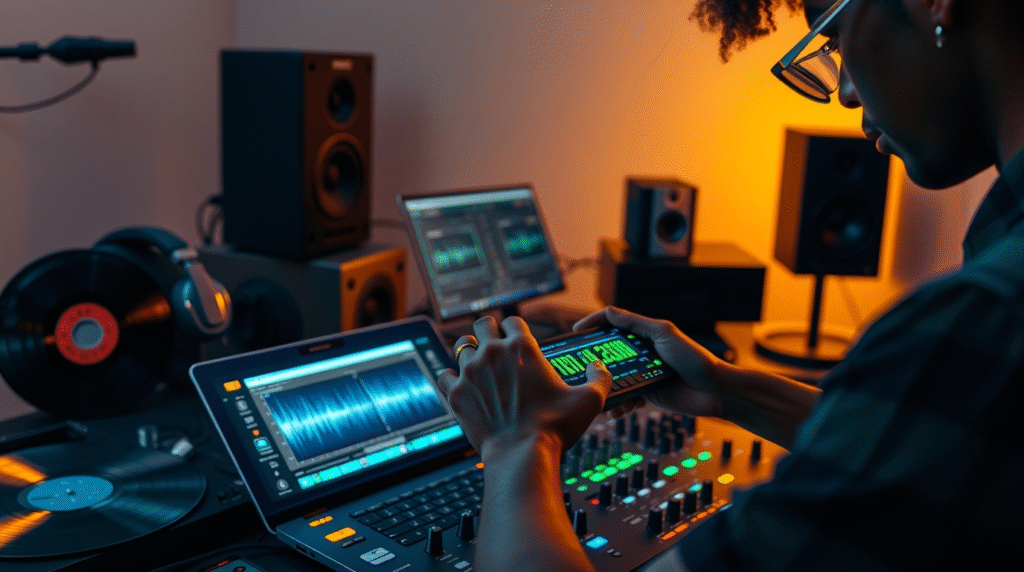
Modern BPM counters are available as apps, plugins, or even built-in tools in DJ software. They allow users to tap or upload music to calculate the BPM automatically.
Why BPM Matters in Music Production
Tempo influences how music feels. A BPM counter ensures accuracy when aligning beats, layering sounds, or syncing multiple tracks. Producers use it to maintain rhythm consistency, especially in electronic, dance, or hip-hop music.
With precise BPM data, mixing transitions become smoother. Additionally, it helps when creating remixes or matching live instruments to digital tracks.
How Does a BPM Counter Work?
Most BPM counters use algorithms that detect beats in audio files. They analyze peaks, rhythm patterns, and intervals between beats. Once processed, the software displays an exact BPM number.
Some counters also let users tap a button manually in sync with the beat. Each tap records timing differences, which the program averages to find the tempo.
Different Types of BPM Counters
Several types of BPM counters exist, each serving different needs:
- Online BPM Counters: Quick and easy to use in a browser.
- DAW (Digital Audio Workstation) Plugins: Integrated directly into music production software.
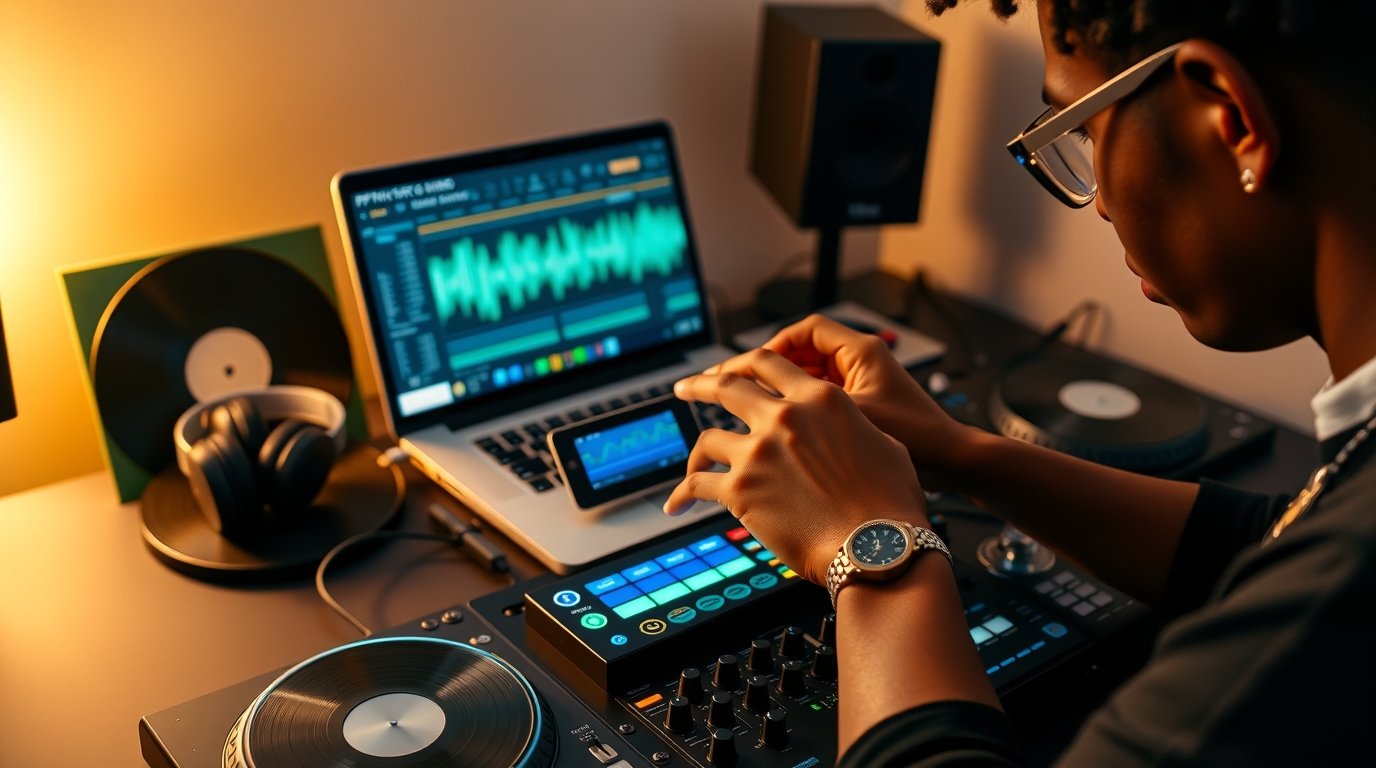
- DJ Equipment Counters: Found on DJ controllers and mixers for real-time beat matching.
- Mobile Apps: Ideal for on-the-go use, perfect for dancers and drummers.
Choosing the right BPM counter depends on how and where you create or analyze music.
Using a BPM Counter for DJ Mixing
For DJs, timing defines skill. A BPM counter ensures perfect synchronization between tracks. When two songs play with matching BPMs, transitions sound smooth and professional.
By adjusting the pitch or tempo slightly, DJs align beats seamlessly. This prevents awkward overlaps and keeps the dance floor energy consistent.
How Musicians Benefit from BPM Counters
Musicians also rely on BPM counters to maintain rhythm accuracy. Drummers use them to keep steady beats, while guitarists and pianists use them for precise timing.
In studio sessions, BPM consistency helps multiple instruments blend better. It ensures that tracks remain rhythmically tight, avoiding mismatched beats.
Top Features to Look for in a BPM Counter
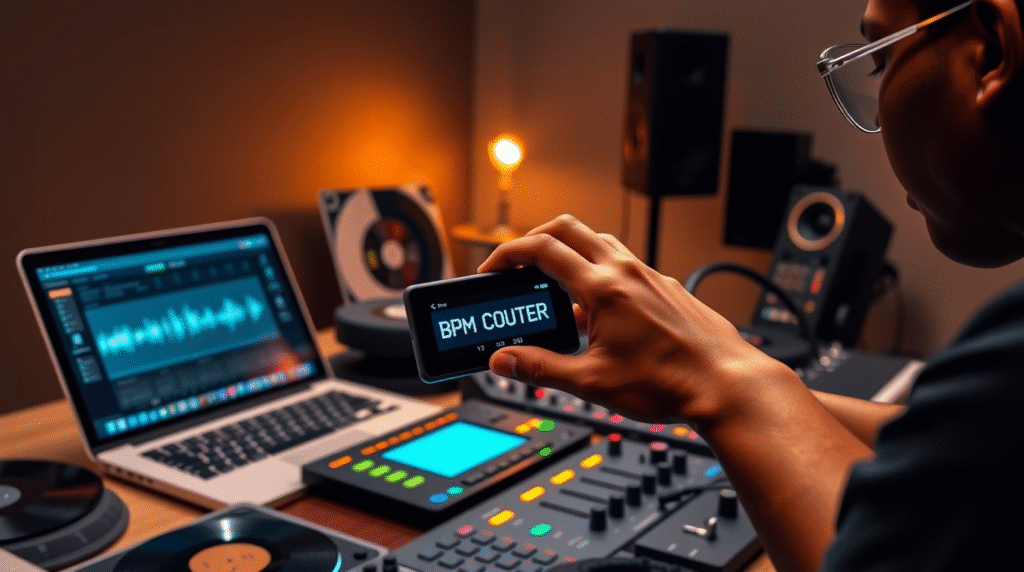
When choosing a BPM counter, look for these essential features:
- Auto Detection: Quickly analyzes uploaded tracks.
- Tap Functionality: Lets you find tempo manually.
- Accuracy Level: Reliable and consistent readings.
- Integration Support: Compatible with your DAW or DJ setup.
- Visualization Tools: Waveforms or metronome displays help understand beat flow.
These features simplify music management and enhance production workflow.
Manual vs. Automatic BPM Counting
Manual counting involves tapping along with a beat, while automatic BPM counters analyze it digitally. Manual counting builds rhythm awareness but may lack precision.
Automatic counters, on the other hand, deliver instant and accurate results. However, both methods complement each other in improving tempo understanding.
How to Improve Music Timing Using a BPM Counter
Using a BPM counter trains your ear for rhythm recognition. By practicing with BPM tools, you learn how tempos influence song structure and energy.
Musicians often experiment with various BPM ranges to find their ideal groove. Faster tempos (120–150 BPM) work well for dance tracks, while slower ones (60–90 BPM) suit ballads or ambient pieces.
Advanced BPM Counter Integration with AI Tools
Modern AI-powered BPM counters take tempo detection to the next level. They not only measure beats but also analyze rhythm patterns, genre, and energy flow.
Some AI tools can even predict matching tracks for smoother DJ transitions. These smart integrations save time and boost creative performance, especially in live sessions.
Common BPM Counter Mistakes and Fixes
Even with advanced tools, mistakes happen. Some tracks have fluctuating tempos, making BPM detection tricky. To fix this, always check the waveform visually or adjust manually.
Another mistake is ignoring BPM differences between song sections. Always verify BPM consistency before finalizing your mix or recording.
Best Practices for Using a BPM Counter Effectively
Follow these steps to get accurate results:
- Always use high-quality audio files.
- Test with both auto and manual detection.
- Confirm tempo on multiple devices if needed.
- Save and label your BPM data for future use.
Consistency and accuracy lead to better sound synchronization and smoother production workflows.
Conclusion:
A BPM counter is more than just a rhythm tool—it’s a foundation for musical accuracy and creativity. Whether you’re mixing, producing, or learning, mastering BPM helps you deliver professional, polished results.
Start using a reliable BPM counter today and experience the power of perfect timing. Take control of your rhythm and elevate your music like never before!
FAQs
1. What does BPM mean in music?
BPM stands for “beats per minute.” It measures how fast or slow a song plays, indicating its tempo.
2. Can I use a BPM counter for live performance?
Yes, DJs and musicians use BPM counters during live shows to maintain consistent timing between songs.
3. Is a BPM counter accurate for all genres?
Most are highly accurate, but complex or live-recorded songs might require manual verification.
4. Do BPM counters work offline?
Yes, many mobile apps and DJ equipment offer offline BPM detection features.
5. What is the ideal BPM for dance music?
Dance and EDM tracks typically range between 120–130 BPM for energetic rhythm and flow.